Barrel Washing System

Picture of Barrel Washing System


Save your back! Never lift a barrel again!

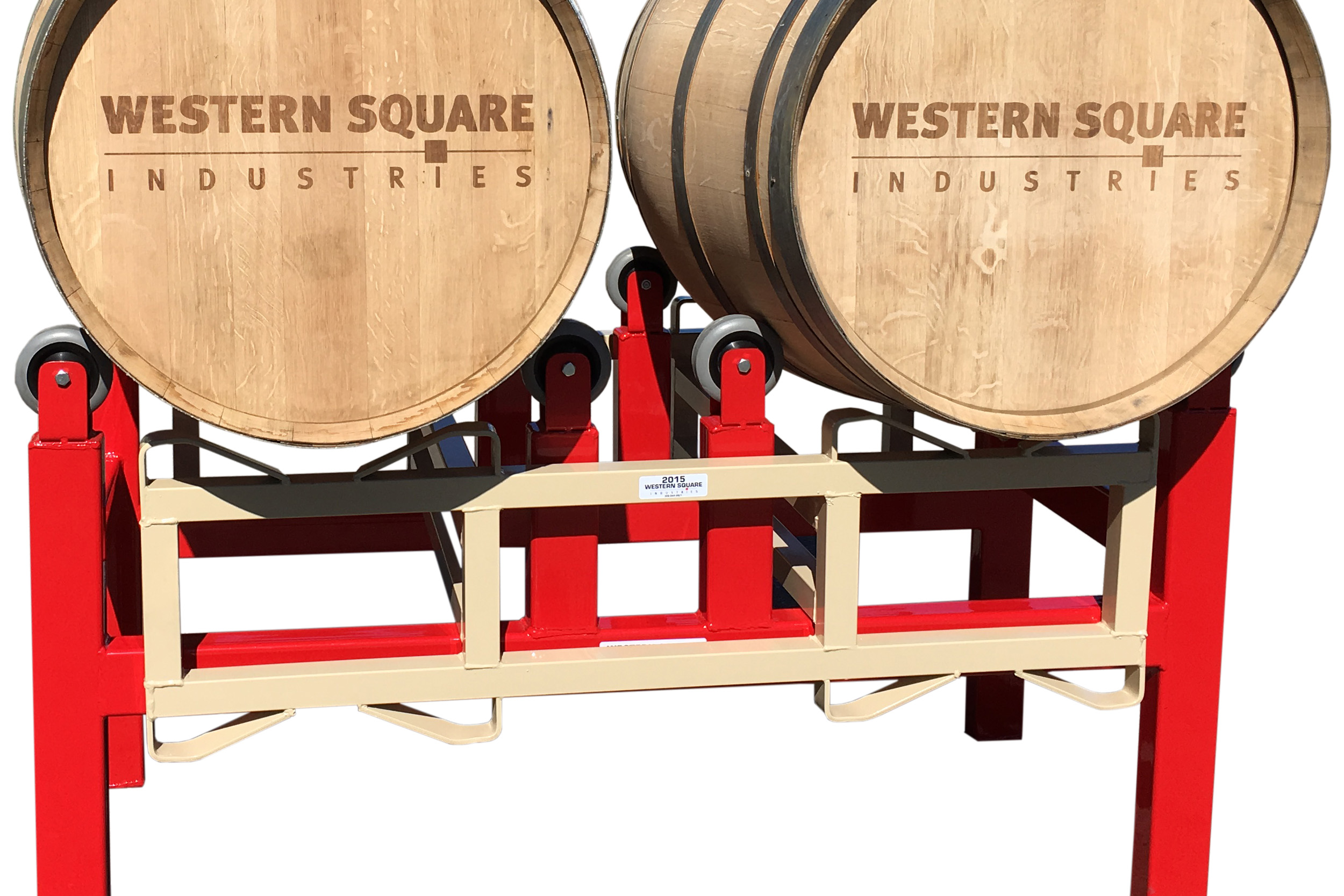
Western Square's barrel washing system is designed for use with portable steel barrel racks. The rack holding the barrels is forklifted over the frame of the roller, then lowered so each barrel sits on four wheels. The rack drops below and away from the barrels.

The barrels are then turned upside down to dump the lees. Note: there is room on the side of the roller to slide five-gallon buckets in under the bung holes.

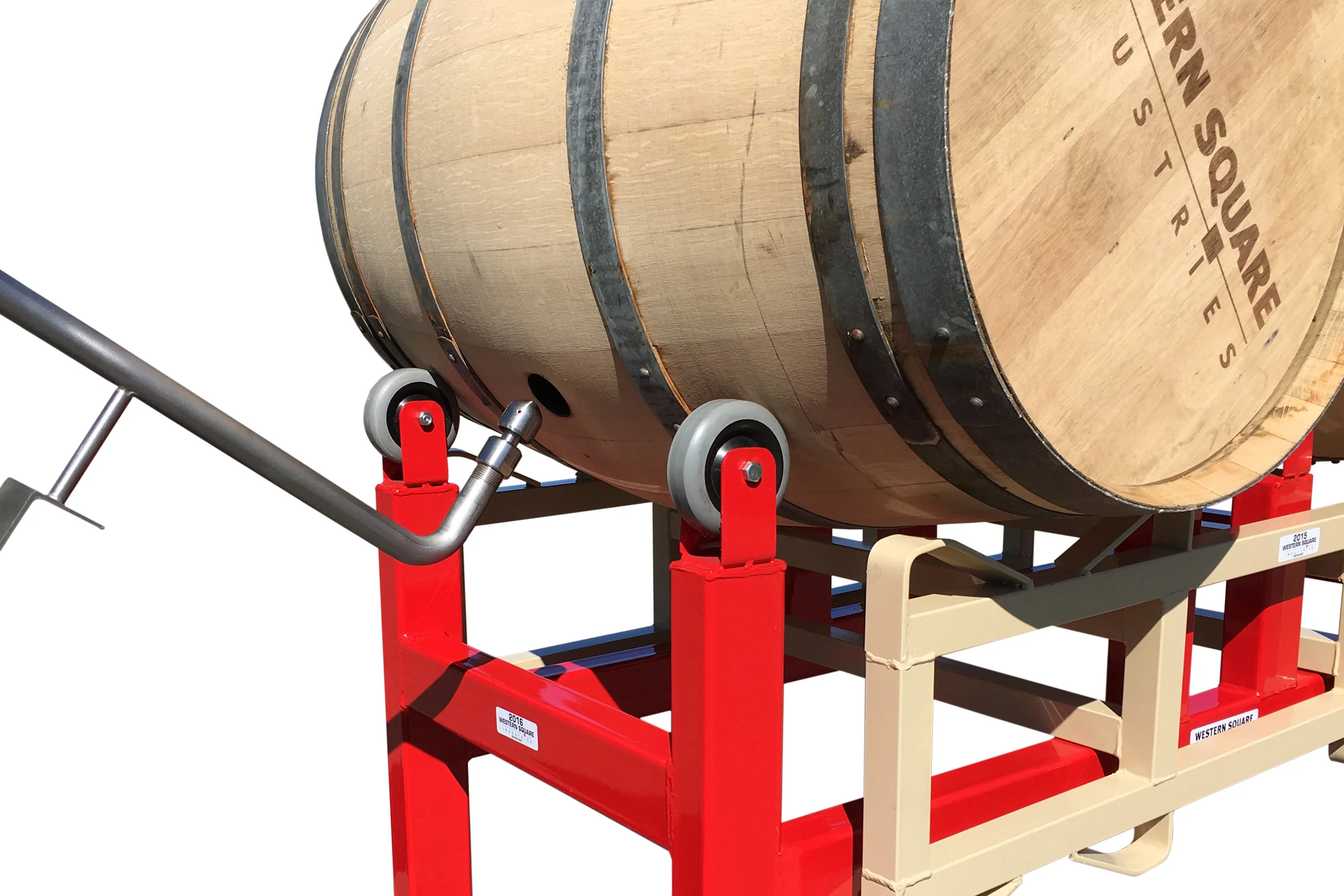
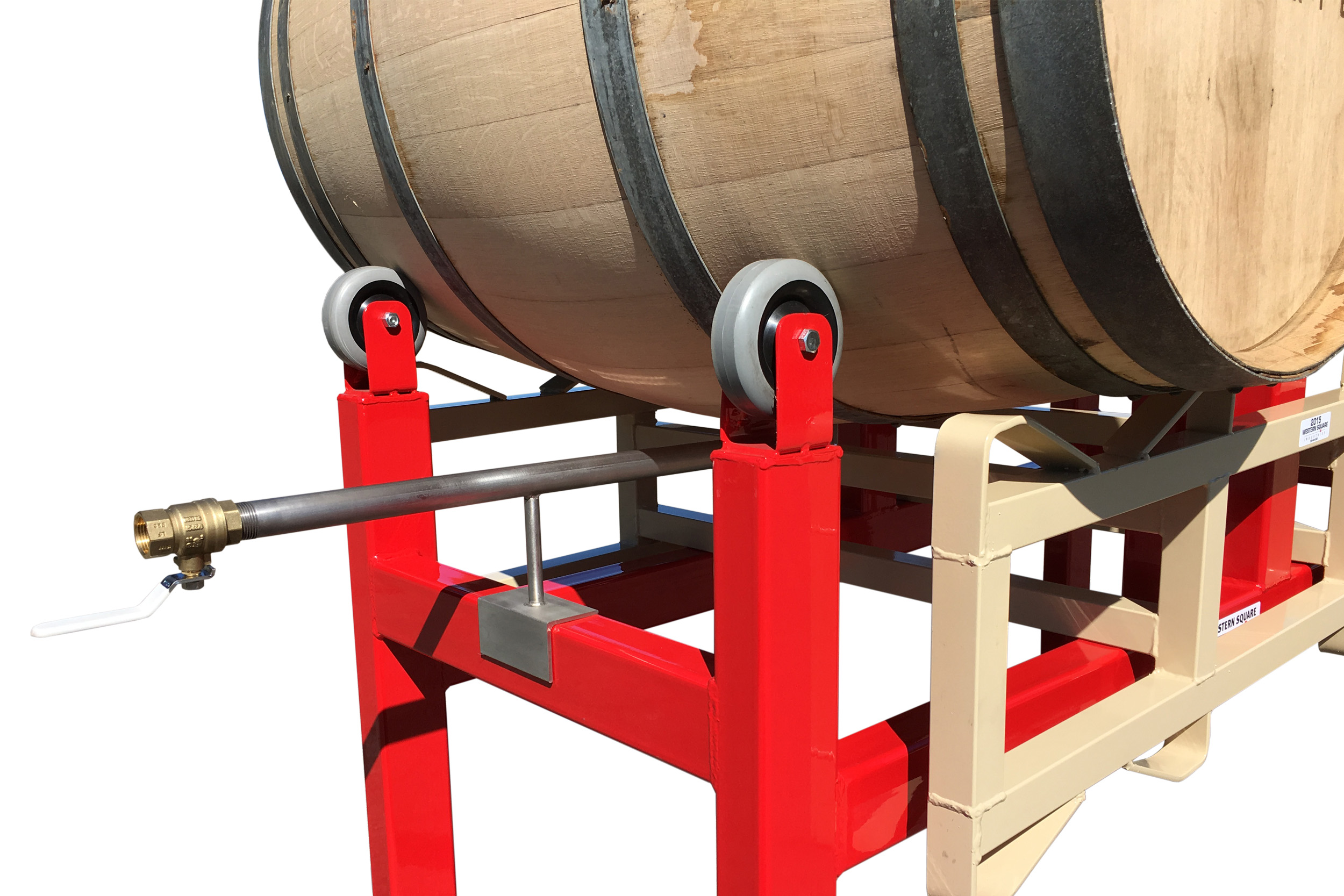
Next, the barrels are rotated to the 4 o'clock position so that the spray balls can be inserted without even bending over! The barrels are then rotated back to the 6 o'clock position. The washer wands will sit firmly on the frame of the roller. Turn on the water and walk away.

After the barrels are cleaned, reverse the procedure. To remove the barrels from the wheels, raise the rack with the forklift so that the rack picks up the barrels, perfectly centered.

With the Western Square barrel washing system, the barrels are washed at a convenient working level without the need to actually lift the barrels. The rollers are built of heavy gauge steel tubing and are powder-coated for exceptional corrosion protection. Washer wands are stainless steel with brass ball valves. Western Square offers a stainless steel spray ball that attaches to the wand.

Should you desire to use a pressure washer, we have a high pressure, low water volume solution that works with our barrel roller. Please contact your Western Square representative for more information.

Western Square's barrel washing system, consisting of one roller and two wands, was designed to save your back, not to save time. Labor costs will remain comparable to other barrel washing systems. However, this system can be made much more labor efficient by employing two workers using three rollers but still only two wands.

At Station A, two barrels are being washed; at Station B, two barrels are being drained; at Station C, the forklift driver is removing two washed barrels and replacing them with two barrels to be washed. Then, the workers rotate one station: at Station C, barrels are washed; at Station A, they are drained; and the forklift driver moves to Station B.

© 2007 www.westernsquare.com